My Courses
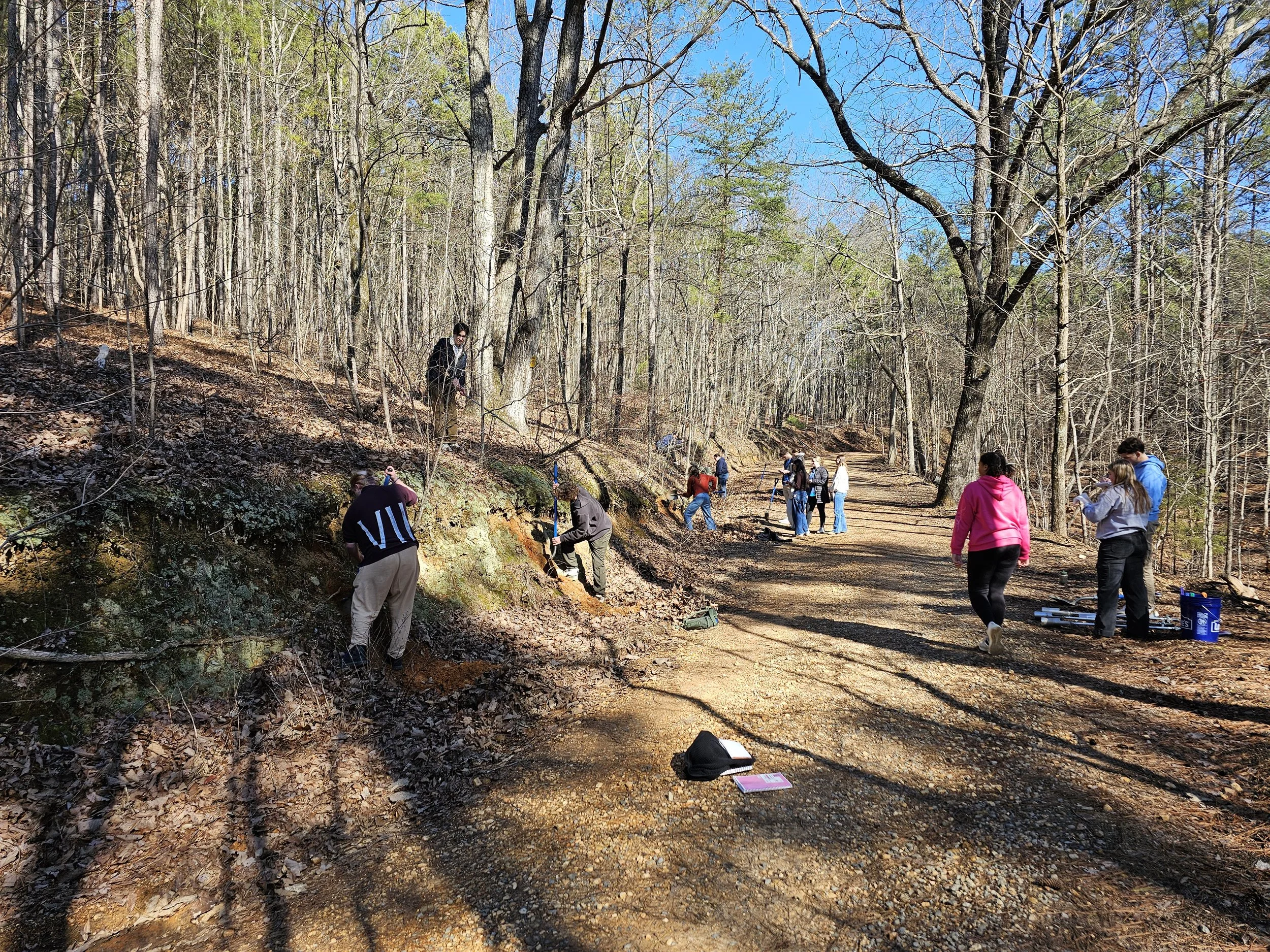
I teach using a systems thinking approach, highlighting how different components and subject material interact over time and space to create the natural environments we rely on. Earth Science is at the core of my classes, where a combination of lectures, labs, discussions, and other active learning strategies are used to explore subjects in environmental science.
ESS 110 - Introduction to Earth System Science
Our Earth can be divided into four spheres – the Geosphere, Hydrosphere, Atmosphere, and Biosphere. Counter-intuitively, separating these spheres allows us to better understand how they interact with one another to create the entire Earth System we rely on. This general education course is designed for both STEM and non-STEM majors, from Freshmen to Seniors, and explores these dynamic relationships across deep geologic time through lecture, active learning activities, and hands-on labs.
ESS 333 - Soils
Soil results from the combined interactions between Earth’s four spheres and represents the most critical resource on the planet. It takes thousands of years to form, supports plants and animals, and is in danger of being lost due to poor agricultural practices. This upper division course is primarily lab-based so students can learn and practice real skills used by soil scientists. Mastery grading gets students to repeatedly engage with the course’s topics, which prepare them to be true masters of soil science.
ESS 339 - Ecosystem Science
Understanding how molecules and energy flow through entire ecosystems is critical if we are to be good stewards of the environment. This course explores how we study and quantify important concepts such as primary productivity, secondary productivity, decomposition, and nutrient cycling through primary literature and class discussions. Students choose an ecosystem they are interested in as the focus of a term paper reviewing our knowledge of how course topics operate in that ecosystem.
ESS 480 - Environmental Geology
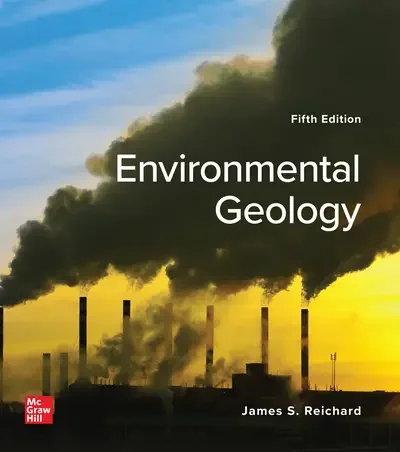
How do we use our knowledge of the Earth System to address issues related to resource management, water quality, climate change, and natural hazards? This upper division course uses case studies to demonstrate the application of Earth System Science in both historical and modern contexts. Students are also asked to problem solve hypothetical scenarios based on real world environmental problems, as well as dive into topics that interest them personally.