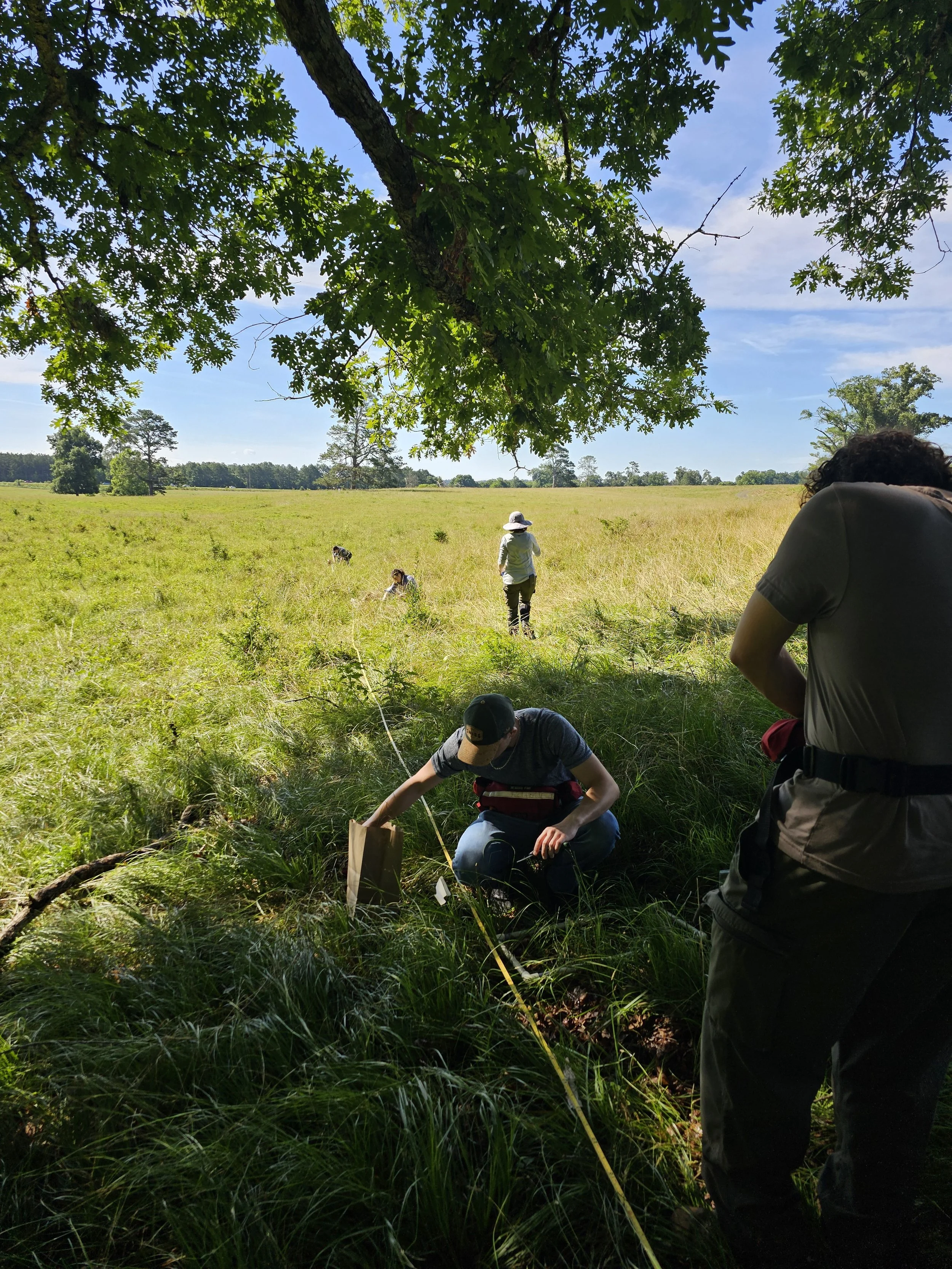
Plants and their Communities
Plants are primary producers. They store carbon from the atmosphere, convert sunlight into energy for other organisms, and serve as food for the foundation of many different ecosystems. Studying how plants interact with the environment is especially important for understanding why certain plants grow in certain places and for us to be successful in restoration and conservation efforts.
The EM-CE lab studies belowground aspects of plants – roots that forage for soil resources, leaf litter that decomposes into soil organic matter, and feedbacks between plants and soil that affect growth and recruitment – so we can better understand how to promote beneficial relationships between plants and the environment.
Research Projects
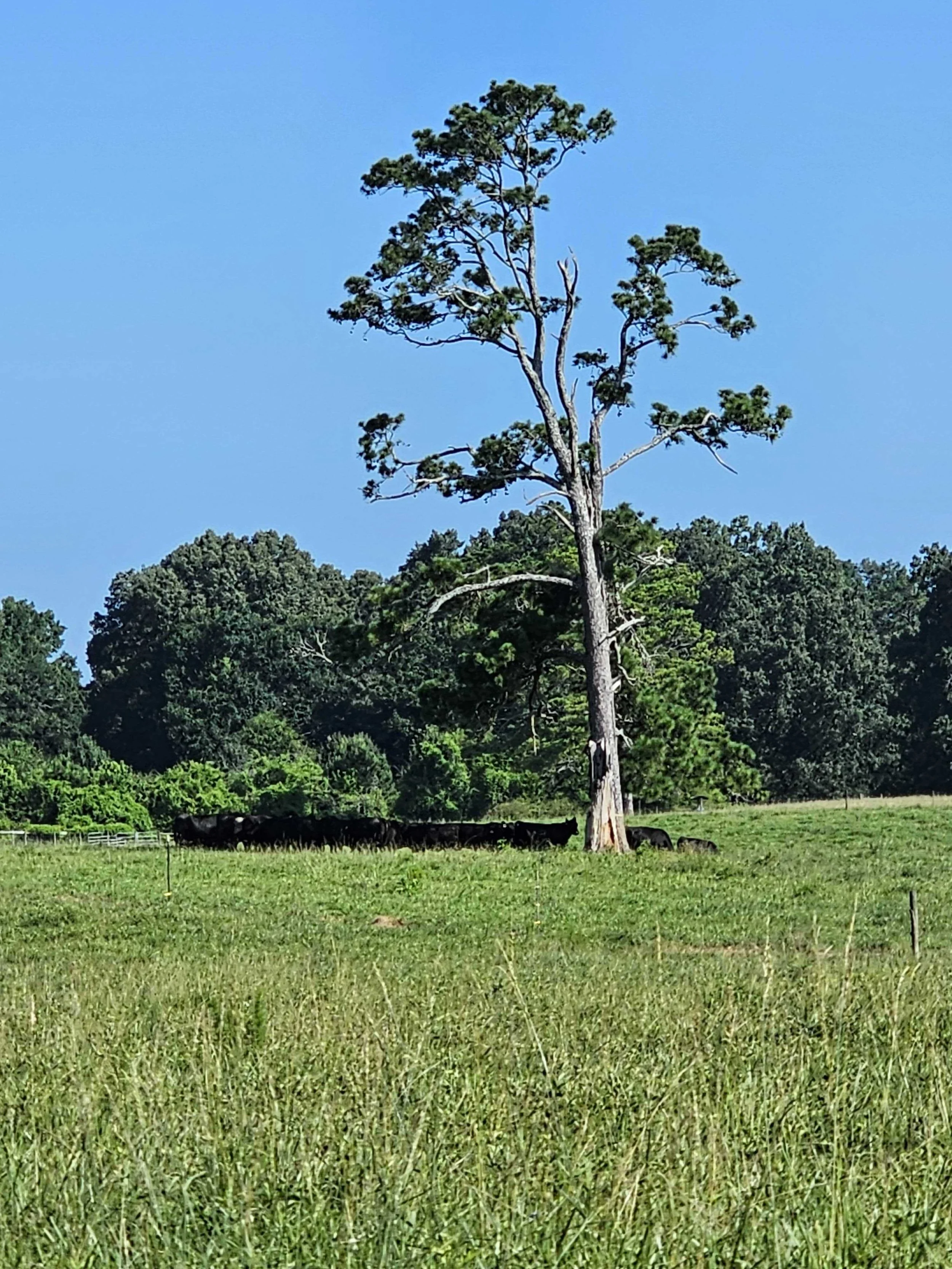
Trees in pastures serve as important sources of shade for cattle, increasing grazing activity and excrement deposition nearby. They also compete for nutrients with the plants cattle graze on, potentially altering the nutrition of surrounding plant forage. In Berry’s pastures, the EM-CE lab, Dr. Katie Beidler’s DURT lab, and Dr. Maddy Rivera are examining how proximity to these pockets of spatial variability affect nearby forage quality, soil properties, and root-fungal relationships through cattle behavior.
Operation: FEEDbacks
Belowground Conservation & Restoration
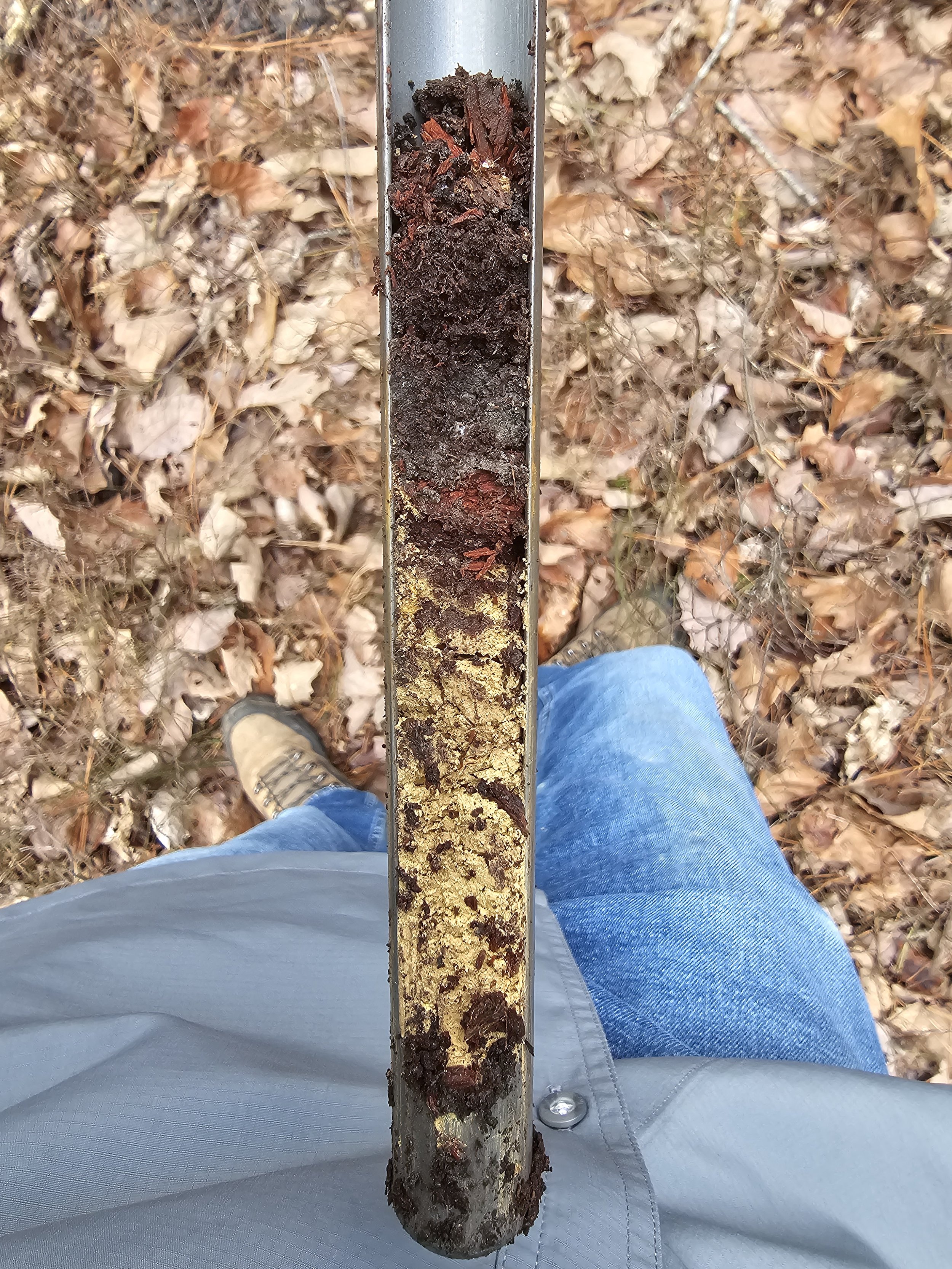
Soils and their fungi are an often-overlooked aspect of plant restoration and conservation, but not here at Berry. The ESS department is working to understand how beneficial soil microbes can be used in restoration and if rare plant conservation also translates to rare fungal conservation. This wholistic approach to restoration and conservation is being tested in a variety of environments with different plant species found across Berry’s 27,000 acre campus.
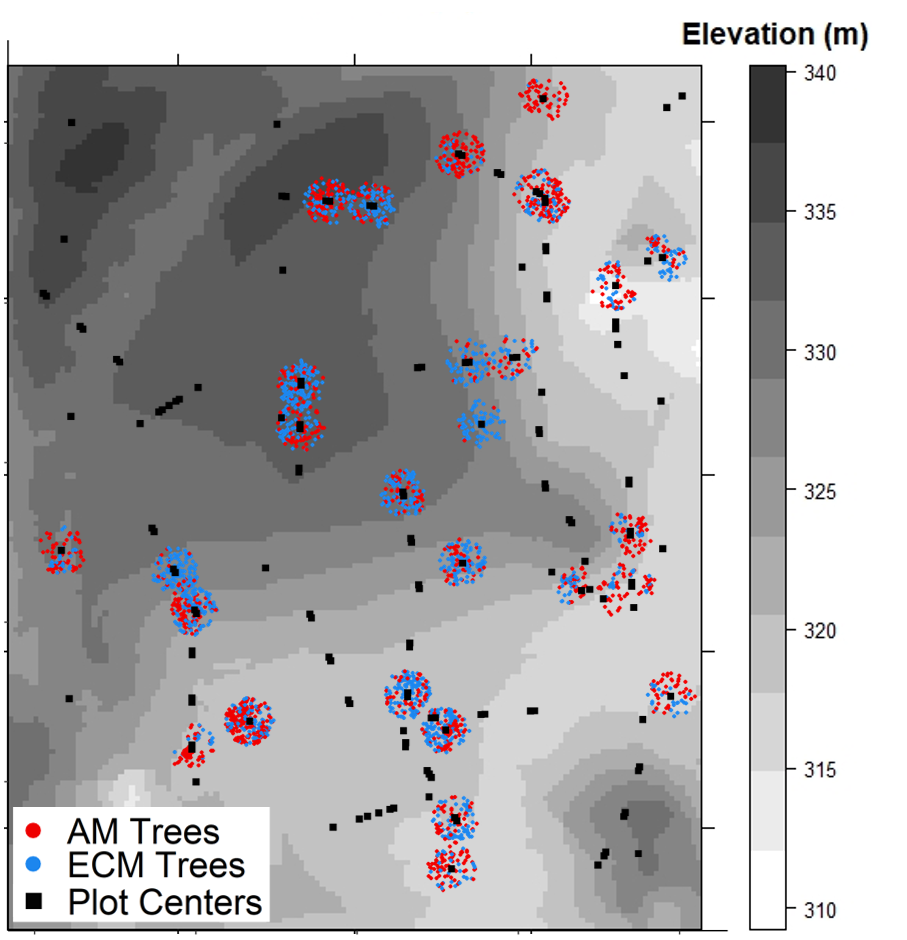
As plants grow, they cause both good and bad microorganisms to accumulate in surrounding soil through a process called plant-soil feedback. This feedback is known to affect seedlings and adult plants of the same species, but less is known about how the microbes that accumulate due to a particular plant species affect other plants of different species. Grouping plants by how they function in the environment and examining their spatial relationships allows us to better understand these complicated interactions. Using Berry’s hardwood and pine forests, we are learning more about tree community dynamics under global environmental change.