A gram of soil can contain 10 billion bacteria; a tablespoon of sea water, 5 million. Despite their microscopic size, these organisms regulate energy flow through entire ecosystems. Many are also infectious. Their size and diversity make them challenging to study, but by using DNA-based techniques we can successfully identify and categorize bacteria in a wide range of environments.
The EM-CE lab has several exciting projects related to bacterial communities and their function in freshwater, marine, and terrestrial ecosystems.
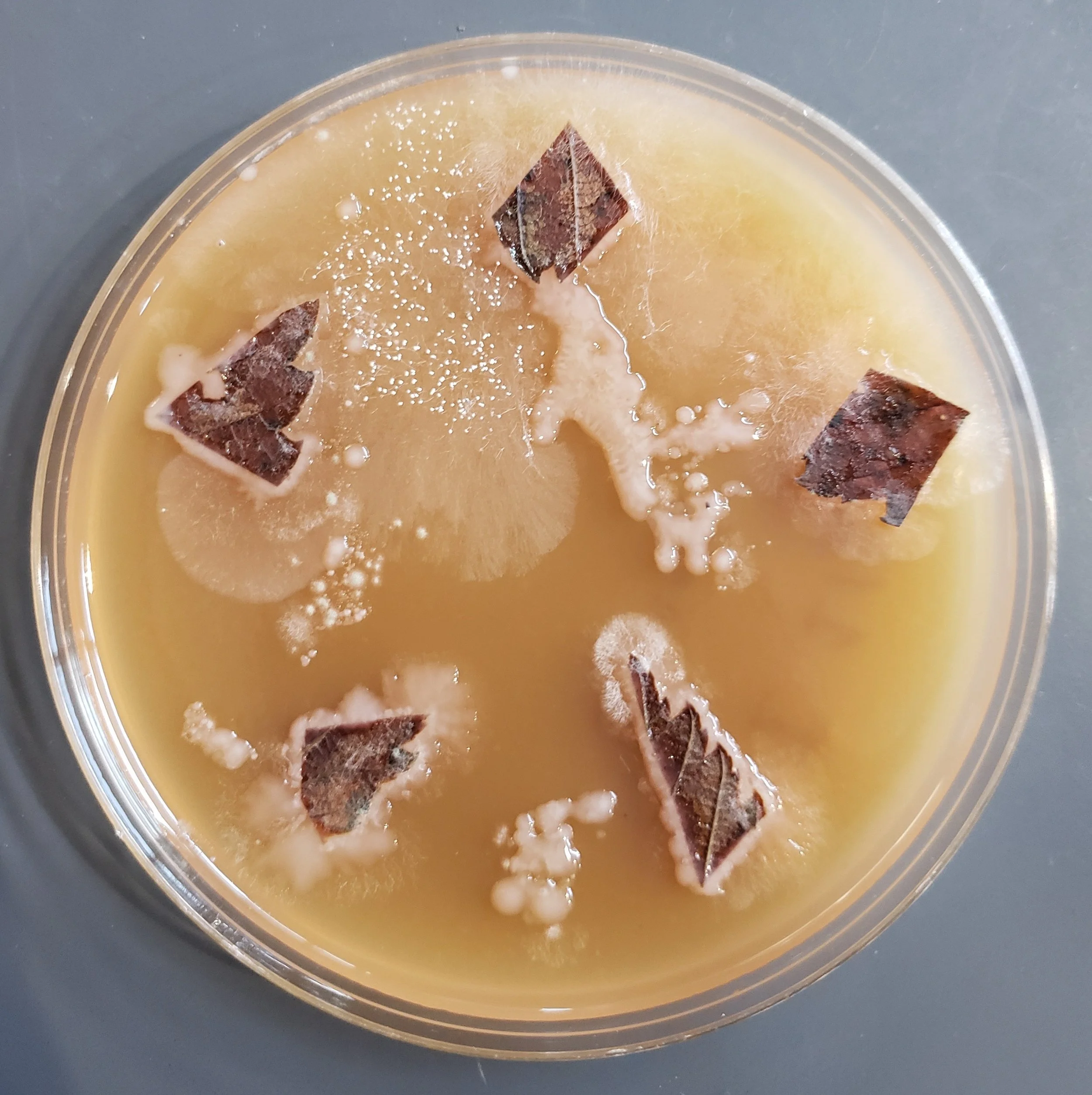
Bacteria and the Environment
Research Projects
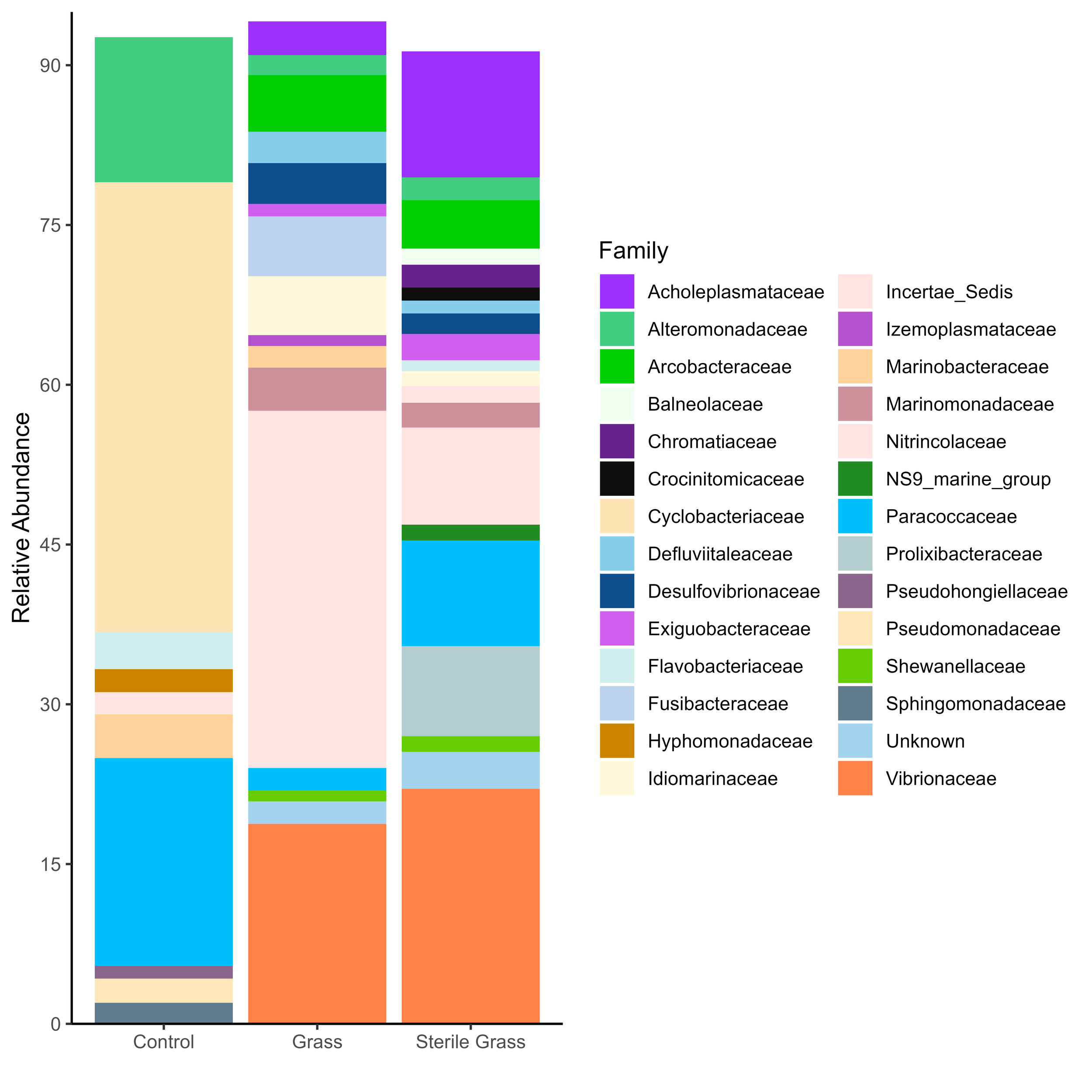
The Indian River Lagoon covers one-third of Florida’s eastern coast and is home to over 4,300 plant and animal species. This coastal corridor is also home to 2 million residents, resulting in pollution that threatens the environment. Working in collaboration with Dr. Beth Falls and Dr. Lauren Kleiman from the Ocean Research and Conservation Association (ORCA), we are studying how lawn clippings that enter the Lagoon from adjacent lawns affect marine bacterial communities and the health of this imperiled ecosystem.
Lawn Clippings in the Lagoon
In conjunction with Dr. Ryan Saylor’s ecophysiology lab at Berry, we are researching how an invasive eel is affecting ecosystem function and how environmental stress is affecting trout slime coat microbiomes.
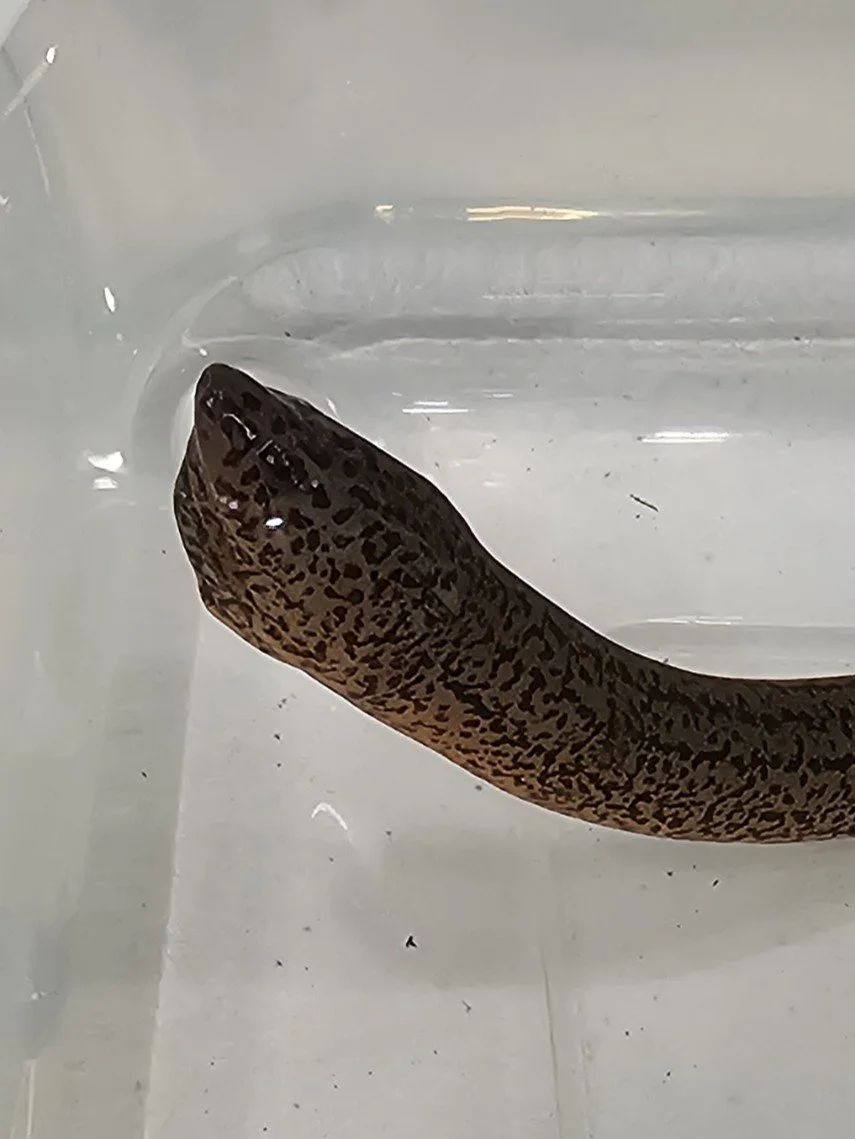
The invasive Asian Swamp Eel (Monopterus albus; pictured) creates burrows that result in high concentrations of localized nitrogen in freshwater stream and pond sediments. The EM-CE lab is investigating how these burrows, which are biogeochemical hotspots, alter aquatic bacterial community composition and ecosystem function.
Northern Georgia represents the southern-most range of Brook Trout (Salvelinus fontinalis), a beautiful and popular cold water game fish. Habitat loss and climate warming are threatening the existence of this species as their environment grows hotter and more stressful, pushing these fish to the edge of their thermal tolerance. This stress can compromise their protective slime coat that provides antibacterial resistance. We’re testing to see if these changes are increasing the amount of infectious bacteria on their skin, further degrading their health.
Slime Coats & Swamp Eels
The Quest for a Universal Standard
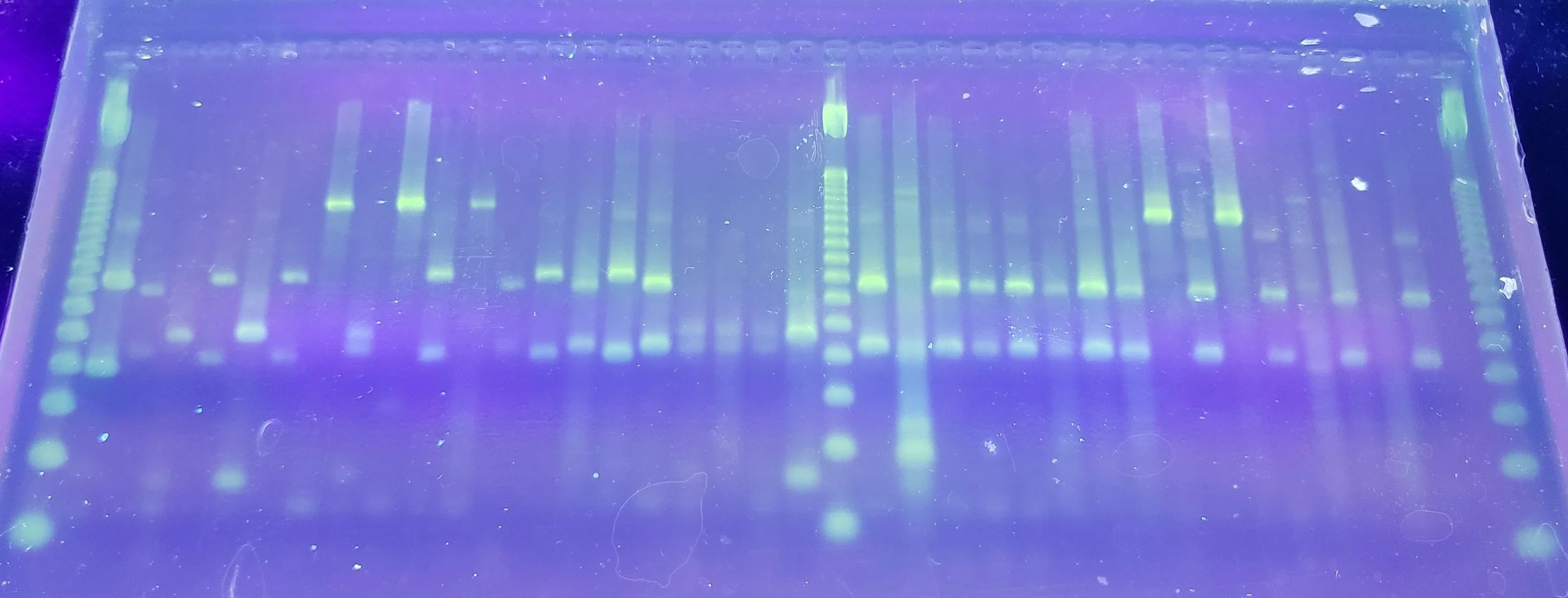
Studying microbial communities often involves comparing proportions of community members. While this is a reliable and common approach, it is limited in the amount of information it provides as it cannot determine which organisms increase or decrease in actual abundance. We are working to design and test a DNA-based tool that provides this missing information, giving researchers more power to study both bacteria and fungi in a variety of study systems.